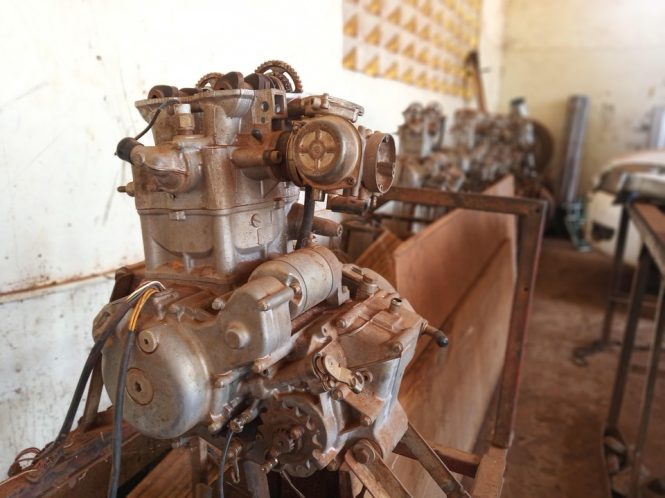
The Hidden Dangers of a Malfunctioning Furnace: Stay Safe This Winter
As the winter months approach, many of us rely on our furnaces to keep our homes warm and cozy. However, a malfunctioning furnace can pose serious health and safety risks to you and your loved ones. In this article, we will explore the hidden dangers of a malfunctioning furnace and provide tips on how to stay safe this winter.
Carbon Monoxide Poisoning: A Silent Killer
One of the most significant dangers of a malfunctioning furnace is carbon monoxide (CO) poisoning. CO is a colorless, odorless, and tasteless gas that can be produced when a furnace burns fuel inefficiently or has a cracked heat exchanger. When inhaled, CO can cause headaches, dizziness, nausea, and even death. According to the Centers for Disease Control and Prevention (CDC), more than 400 people die each year from CO poisoning, with many more suffering from non-fatal exposures.
Other Health Risks
In addition to CO poisoning, a malfunctioning furnace can also pose other health risks, including:
- Respiratory problems: A faulty furnace can circulate pollutants, such as dust, mold, and bacteria, into the air, exacerbating respiratory issues like asthma and allergies.
- Fire hazards: A malfunctioning furnace can overheat, causing a fire or explosion, which can lead to serious injury or death.
- Mold growth: A furnace that is not functioning properly can create a humid environment, leading to mold growth, which can trigger allergies and other health problems.
Signs of a Malfunctioning Furnace
It’s essential to be aware of the signs of a malfunctioning furnace to prevent accidents. Look out for:
- Unusual odors: If you notice a strong, unpleasant smell coming from your furnace, it could be a sign of a problem.
- Increased energy bills: If your energy bills are higher than usual, it may indicate that your furnace is working inefficiently.
- Strange noises: Unusual noises, such as clunking, rattling, or hissing, can indicate a problem with your furnace.
- Yellow or flickering flames: If the flames in your furnace are yellow or flickering, it may indicate a problem with the burner or heat exchanger.
Tips for Staying Safe This Winter
To stay safe this winter, follow these tips:
- Schedule regular maintenance: Have your furnace inspected and maintained by a professional at least once a year.
- Install a carbon monoxide detector: Make sure you have a working CO detector in your home, and replace the batteries annually.
- Check your furnace filter: Regularly check and replace your furnace filter to ensure it’s clean and functioning properly.
- Be aware of your surroundings: If you notice any unusual odors, noises, or changes in your furnace’s performance, contact a professional immediately.
- Consider upgrading: If your furnace is old or inefficient, consider upgrading to a new, energy-efficient model.
Conclusion
A malfunctioning furnace can pose serious health and safety risks, including carbon monoxide poisoning, respiratory problems, and fire hazards. By being aware of the signs of a malfunctioning furnace and taking steps to maintain and inspect your furnace regularly, you can stay safe this winter. Remember, a well-maintained furnace is not only safer, but it’s also more energy-efficient and can help reduce your energy bills. Stay warm, stay safe, and stay healthy this winter.