Fix It, Don’t Nix It: The Sustainable Guide to Home Repair
In today’s world, it’s easy to get caught up in the “throwaway culture” mentality, where broken or worn-out items are quickly discarded and replaced with new ones. However, this approach not only contributes to waste and pollution but also wastes resources and money. When it comes to home repair, adopting a “fix it, don’t nix it” attitude can be a game-changer. Not only can it save you money, but it can also reduce your environmental footprint and breathe new life into old, beloved items.
The Benefits of Fixing Instead of Replacing
Fixing items instead of replacing them has numerous benefits. For one, it reduces waste and minimizes the demand for new, resource-intensive products. According to the Environmental Protection Agency (EPA), the average American generates about 4.4 pounds of trash per day, with a significant portion of that waste coming from discarded household items. By fixing instead of replacing, you can significantly reduce your contribution to this staggering statistic.
Fixing items also saves you money in the long run. While it may seem cheaper to buy a new item, the cost of constantly replacing broken or worn-out items can add up quickly. Moreover, many items can be repaired with simple, DIY fixes, eliminating the need for expensive professional repair services.
Getting Started with Sustainable Home Repair
So, where do you start? Here are some simple tips to get you on the path to sustainable home repair:
- Assess the damage: Before deciding to replace an item, take a closer look at the damage. Is it a simple fix, or is it a more complex issue? Consider consulting online tutorials or repair manuals to determine the best course of action.
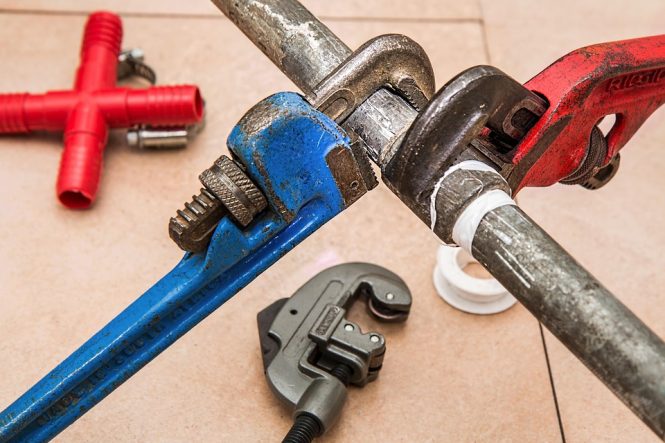
- Gather your tools: Invest in a basic toolkit, including a hammer, screwdriver, pliers, and wrench. These essential tools will help you tackle a variety of repair tasks.
- Research repair options: Look for online tutorials, YouTube videos, or repair forums to find guidance on fixing specific items. You can also consult with friends, family members, or local repair shops for advice.
- Join a repair community: Many cities have repair cafes or community repair events where you can bring broken items and receive guidance from experienced fixers.
Easy Fixes to Get You Started
Not sure where to start? Here are some easy fixes to get you on the path to sustainable home repair:
- Leaky faucets: Fixing a leaky faucet can save you up to 20 gallons of water per day. Simply replace the worn-out O-ring or gasket, and you’re good to go.
- Creaky doors: Tighten loose hinges or replace worn-out door sweeps to silence creaky doors.
- Faulty light switches: Replace worn-out light switches or repair faulty wiring to get your lights shining bright again.
- Torn screens: Repair torn screens with a simple patch kit or replace the entire screen if necessary.
Advanced Repairs for the Ambitious
Once you’ve mastered the basics, you can move on to more advanced repairs. Consider tackling:
- Appliance repair: Learn to fix common appliance issues, such as faulty refrigerators, dishwashers, or washing machines.
- Furniture restoration: Refinish or reupholster old furniture to give it a new lease on life.
- Plumbing repairs: Tackle more complex plumbing issues, such as fixing leaky pipes or installing new fixtures.
Conclusion
Fixing instead of replacing is a simple yet powerful way to reduce waste, save money, and live more sustainably. By adopting a “fix it, don’t nix it” attitude, you’ll not only breathe new life into old items but also contribute to a more circular economy. So, next time you’re faced with a broken item, take a deep breath, grab your toolkit, and get fixing!