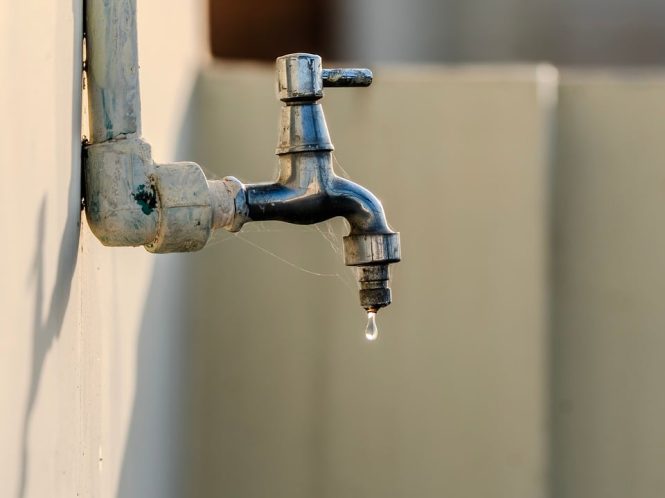
Drip, Drip, Disaster: How to Handle a Water Leak Emergency
Water leaks can be a homeowner’s worst nightmare. Not only can they cause significant damage to your property, but they can also lead to mold growth, electrical hazards, and even structural issues. If you’re faced with a water leak emergency, it’s essential to act quickly and effectively to minimize the damage. In this article, we’ll provide you with a step-by-step guide on how to handle a water leak emergency and prevent a drip from turning into a disaster.
Identifying the Source of the Leak
The first step in handling a water leak emergency is to identify the source of the leak. This can be a challenging task, especially if the leak is not visible. Here are some common signs to look out for:
- Water stains or discoloration on walls, ceilings, or floors
- Warped or buckled flooring
- Musty odors or mold growth
- Unexplained increases in water bills
- Sounds of running water or dripping
If you suspect a leak, turn off the main water supply to your home by locating the shut-off valve and turning it clockwise. This will prevent further damage and give you time to assess the situation.
Shutting Off the Water Supply
Once you’ve identified the source of the leak, shut off the water supply to the affected area. This may involve:
- Locating the shut-off valve under the sink, behind the toilet, or near the water heater
- Turning the valve clockwise to shut off the water supply
- Draining the water from the affected area by opening the lowest drain valve
Containing the Damage
To prevent further damage, contain the leak by:
- Placing buckets or containers under the leak to catch water
- Using towels or blankets to absorb water
- Removing any furniture or valuables from the affected area
- Using fans or a wet vacuum to dry the area
Calling a Professional
If the leak is significant or you’re unsure of how to handle it, call a professional plumber or water damage restoration expert. They will have the necessary equipment and expertise to:
- Locate and repair the source of the leak
- Extract water from the affected area
- Dry and dehumidify the area to prevent mold growth
- Restore your property to its original condition
Preventing Future Leaks
To prevent future water leaks, consider the following:
- Regularly inspect your pipes and fittings for signs of wear or damage
- Check your water pressure to ensure it’s not too high
- Insulate exposed pipes in unheated areas, such as the garage or basement
- Consider installing a water leak detection system
Conclusion
A water leak emergency can be a stressful and overwhelming experience, but by acting quickly and effectively, you can minimize the damage and prevent a drip from turning into a disaster. Remember to identify the source of the leak, shut off the water supply, contain the damage, and call a professional if necessary. By taking these steps, you can protect your property and prevent costly repairs. Don’t wait until it’s too late – be prepared and take action at the first sign of a water leak.