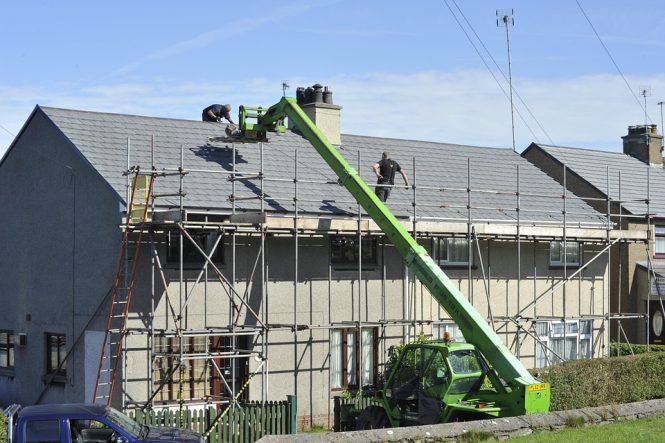
Building a Better Future: How Sustainable Home Repair Can Help Combat Climate Change
As the world grapples with the challenges of climate change, it’s becoming increasingly clear that every individual and industry has a role to play in reducing our carbon footprint and creating a more sustainable future. One often overlooked but crucial aspect of this effort is sustainable home repair. By making conscious choices in the way we maintain and repair our homes, we can significantly reduce our environmental impact and contribute to a more eco-friendly future.
The Impact of Traditional Home Repair
Traditional home repair methods often rely on materials and practices that are detrimental to the environment. For example, the production of cement, a common building material, is responsible for around 8% of global carbon emissions. Similarly, the extraction and transportation of natural resources like wood, stone, and minerals can lead to deforestation, water pollution, and habitat destruction. Furthermore, the disposal of construction waste, which includes materials like drywall, roofing, and flooring, contributes to the staggering 600 million tons of waste sent to landfills each year in the United States alone.
The Benefits of Sustainable Home Repair
Sustainable home repair, on the other hand, offers a range of benefits for both the environment and homeowners. Some of the advantages of sustainable home repair include:
- Reduced Carbon Emissions: By using locally sourced, recycled, or sustainably harvested materials, homeowners can significantly reduce the carbon footprint of their repair projects.
- Energy Efficiency: Sustainable home repair can help reduce energy consumption by installing energy-efficient windows, insulation, and HVAC systems, which can lower energy bills and minimize greenhouse gas emissions.
- Water Conservation: Sustainable home repair can also involve the installation of low-flow fixtures and greywater systems, which can help conserve water and reduce wastewater.
- Improved Indoor Air Quality: Sustainable home repair can involve the use of non-toxic, eco-friendly materials and ventilation systems, which can improve indoor air quality and promote healthier living spaces.
- Cost Savings: Sustainable home repair can also lead to cost savings in the long run, as energy-efficient systems and materials can reduce maintenance and replacement costs.
Sustainable Home Repair Strategies
So, what can homeowners do to make their home repair projects more sustainable? Here are some strategies to consider:
- Use Recycled Materials: Consider using reclaimed or recycled materials, such as salvaged wood, recycled glass, or low-VOC paints, for your repair projects.
- Choose Energy-Efficient Systems: Install energy-efficient windows, insulation, and HVAC systems to reduce energy consumption and lower energy bills.
- Opt for Sustainable Materials: Select materials that are sustainably sourced, such as FSC-certified wood, or made from natural, renewable resources, like bamboo or cork.
- Reduce Waste: Plan your repair projects carefully to minimize waste, and consider donating or repurposing materials that would otherwise end up in landfills.
- Hire Sustainable Contractors: Look for contractors who specialize in sustainable home repair and have experience with eco-friendly materials and practices.
Conclusion
Building a better future requires a collective effort to reduce our environmental impact and create a more sustainable world. Sustainable home repair is a critical aspect of this effort, as it can help reduce carbon emissions, conserve resources, and promote healthier living spaces. By making conscious choices in the way we maintain and repair our homes, we can contribute to a more eco-friendly future and help combat climate change. Whether you’re a homeowner, contractor, or simply a concerned citizen, there are many ways to get involved in sustainable home repair and make a positive impact on the environment. Together, we can build a better future, one repair project at a time.