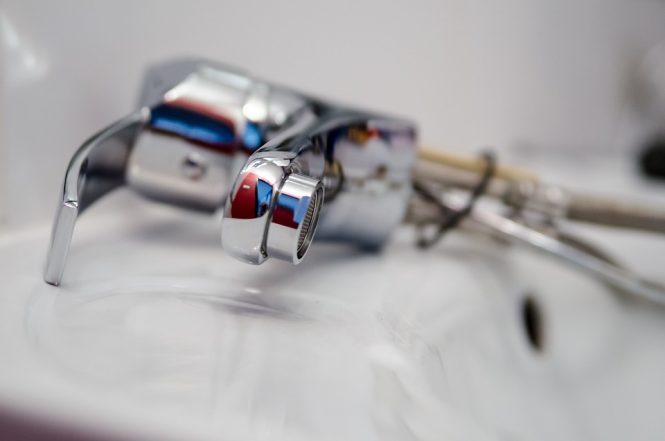
Stop the Flood: Your Go-To Guide for Emergency Water Leak Repair and Prevention
Water leaks can be a homeowner’s worst nightmare. Not only can they cause significant damage to your property, but they can also lead to costly repairs, mold growth, and even health risks. Whether you’re dealing with a burst pipe, a leaky faucet, or a flooded basement, it’s essential to act quickly to minimize the damage. In this article, we’ll provide you with a comprehensive guide on emergency water leak repair and prevention, so you can stop the flood and protect your home.
Why Water Leaks Are a Big Deal
Water leaks can occur at any time, and they can be caused by a variety of factors, including:
- Aging pipes
- High water pressure
- Clogged drains
- Faulty appliances
- Extreme weather conditions
If left unchecked, water leaks can lead to:
- Structural damage to your home
- Mold and mildew growth
- Water damage to your belongings
- Increased water bills
- Health risks, including respiratory problems and waterborne illnesses
Emergency Water Leak Repair: What to Do
If you’ve discovered a water leak in your home, it’s essential to act quickly to minimize the damage. Here’s a step-by-step guide on what to do:
- Turn off the main water supply: Locate the main shut-off valve and turn it clockwise to shut off the water supply to your home.
- Identify the source of the leak: Try to locate the source of the leak, whether it’s a pipe, faucet, or appliance.
- Contain the damage: Use buckets, towels, or wet vacuums to contain the water and prevent it from spreading to other areas of your home.
- Call a professional: If the leak is significant or you’re not comfortable with DIY repairs, call a professional plumber or water damage restoration company.
- Document the damage: Take photos and videos of the damage to provide to your insurance company, if applicable.
Preventing Water Leaks: Tips and Tricks
While emergency water leak repair is essential, prevention is always the best approach. Here are some tips and tricks to help you prevent water leaks in your home:
- Regularly inspect your pipes: Check your pipes for signs of damage, corrosion, or wear and tear.
- Replace old pipes: Consider replacing old pipes with new, durable ones to prevent leaks.
- Check your water pressure: High water pressure can cause pipes to burst, so consider installing a pressure-reducing valve.
- Maintain your appliances: Regularly inspect and maintain your appliances, including your water heater, dishwasher, and washing machine.
- Fix leaks promptly: Don’t ignore small leaks, as they can quickly become big problems.
- Install leak-detecting devices: Consider installing leak-detecting devices, such as smart sensors or moisture detectors, to alert you to potential leaks.
Common Areas Prone to Water Leaks
Some areas of your home are more prone to water leaks than others. Here are some common areas to keep an eye on:
- Kitchen and bathroom faucets: These areas are prone to leaks due to high water usage and frequent temperature changes.
- Water heater: Your water heater is a common source of leaks, especially if it’s old or poorly maintained.
- Toilets: Toilets can leak due to worn-out flappers, faulty fill valves, or clogged drains.
- Basements and crawl spaces: These areas are prone to leaks due to poor ventilation, high humidity, and exposure to outdoor weather conditions.
Conclusion
Water leaks can be a significant problem for homeowners, but with the right knowledge and preparation, you can stop the flood and prevent future leaks. By following the tips and tricks outlined in this article, you can protect your home, prevent costly repairs, and ensure your family’s health and safety. Remember, when it comes to water leaks, every minute counts, so act quickly and don’t hesitate to seek professional help if needed.


