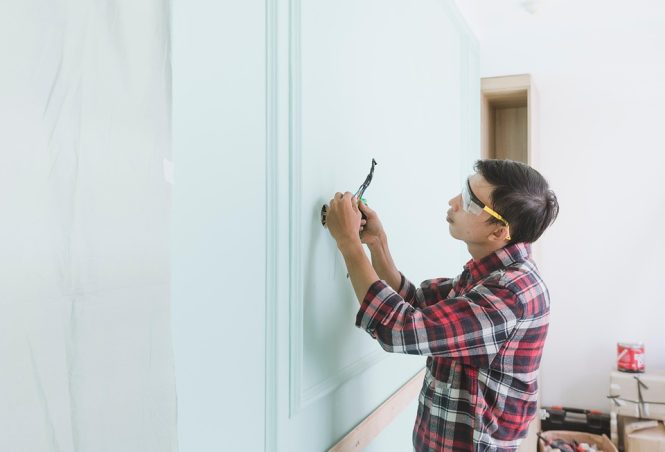
From Fixer-Upper to Eco-Friendly Haven: Sustainable Home Repair Ideas
As the world grapples with the challenges of climate change, environmental degradation, and resource depletion, homeowners are increasingly looking for ways to make their living spaces more sustainable and eco-friendly. One effective way to achieve this is by incorporating sustainable home repair ideas into your fixer-upper project. Not only can this approach help reduce your carbon footprint, but it can also increase the value of your property, improve indoor air quality, and create a healthier living environment for you and your family.
In this article, we will explore some innovative and practical sustainable home repair ideas that can transform your fixer-upper into an eco-friendly haven.
Assessing Your Home’s Sustainability
Before embarking on any repair or renovation project, it’s essential to assess your home’s current sustainability level. Conduct an energy audit to identify areas of energy inefficiency, such as gaps in insulation, outdated appliances, and leaky faucets. This will help you prioritize your repair and renovation efforts and ensure that your eco-friendly upgrades have the maximum impact.
Sustainable Home Repair Ideas
- Insulation and Weatherization: Proper insulation and weatherization are crucial for reducing heat loss and energy consumption. Consider adding eco-friendly insulation materials like recycled denim, wool, or cellulose to your attic, walls, and floors.
- Energy-Efficient Windows: Replace old, single-pane windows with energy-efficient, double- or triple-glazed windows that minimize heat transfer and reduce energy bills.
- Solar Power: Install solar panels on your roof to harness renewable energy and reduce your reliance on fossil fuels. You can also consider installing solar-powered water heaters and HVAC systems.
- Rainwater Harvesting: Collect and store rainwater in a tank or cistern for non-potable uses like flushing toilets, washing cars, and watering plants.
- Eco-Friendly Flooring: Choose sustainable flooring materials like bamboo, reclaimed wood, or cork, which are durable, non-toxic, and resistant to pests and moisture.
- Low-Flow Fixtures: Install low-flow showerheads, faucets, and toilets to conserve water and reduce your water bill.
- Green Roofing: Plant a green roof or install a living wall to provide insulation, reduce stormwater runoff, and create a habitat for local wildlife.
- Non-Toxic Paints and Finishes: Use eco-friendly paints, stains, and finishes that are free from volatile organic compounds (VOCs) and other harmful chemicals.
- Recycled Materials: Incorporate recycled materials like reclaimed wood, metal, and glass into your repair and renovation projects to reduce waste and support sustainable sourcing.
- Smart Home Technology: Invest in smart home devices that can help you monitor and control your energy consumption, temperature, and lighting levels remotely.
Benefits of Sustainable Home Repair
- Energy Efficiency: Sustainable home repairs can help reduce your energy consumption and lower your utility bills.
- Increased Property Value: Eco-friendly upgrades can increase your property value and appeal to environmentally conscious buyers.
- Improved Indoor Air Quality: Sustainable materials and ventilation systems can improve indoor air quality, reducing the risk of respiratory problems and other health issues.
- Environmental Benefits: By reducing your energy consumption and waste, you can help mitigate climate change, conserve natural resources, and protect local ecosystems.
- Cost Savings: Sustainable home repairs can help you save money on energy bills, maintenance, and repairs in the long run.
Conclusion
Transforming your fixer-upper into an eco-friendly haven requires careful planning, creativity, and a commitment to sustainability. By incorporating these sustainable home repair ideas into your project, you can create a healthier, more energy-efficient, and environmentally friendly living space that benefits both you and the planet. Remember to assess your home’s sustainability, prioritize your repair and renovation efforts, and explore innovative solutions that minimize waste, reduce energy consumption, and promote eco-friendly living.


