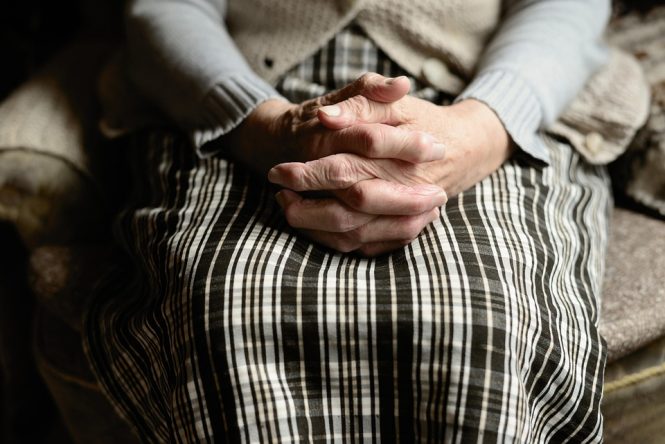
Age in Place: Top Home Modifications for Seniors to Stay Safe and Independent
As the population ages, many seniors are opting to “age in place,” choosing to remain in their own homes rather than moving to assisted living facilities or nursing homes. While this decision allows seniors to maintain their independence and familiar surroundings, it also requires careful consideration of home safety and accessibility. In this article, we will explore the top home modifications that can help seniors stay safe and independent in their own homes.
Why Modify Your Home?
As we age, our physical abilities and health status can change, making everyday tasks more challenging. Simple activities like bathing, cooking, and navigating stairs can become hazardous if the home is not adapted to meet the changing needs of its occupants. Home modifications can help prevent accidents, reduce the risk of falls, and promote independence, allowing seniors to live safely and comfortably in their own homes.
Top Home Modifications for Seniors
- Bathroom Modifications: The bathroom is one of the most hazardous rooms in the home, with slippery floors, sharp edges, and heavy lifting. Consider installing:
- Walk-in showers or tubs with grab bars and non-slip mats
- Raised toilet seats and grab bars
- Shower chairs or benches
- Stair Safety: Stairs can be a significant obstacle for seniors with mobility issues. Consider:
- Installing handrails on both sides of the stairs
- Adding non-slip strips or carpeting to reduce slipping hazards
- Installing a stair lift or elevator
- Kitchen Modifications: The kitchen can be a challenging space for seniors, with heavy lifting, bending, and reaching. Consider:
- Installing adjustable countertops and cabinets
- Adding non-slip flooring and grab bars
- Using adaptive kitchen tools, such as easy-grip utensils and one-touch can openers
- Lighting and Visibility: Good lighting and visibility are essential for senior safety. Consider:
- Installing motion-sensing lights in hallways and stairways
- Adding extra lighting in areas with limited natural light
- Using high-contrast colors to improve visibility
- Flooring and Rugs: Slippery or uneven flooring can be a significant fall hazard. Consider:
- Installing non-slip flooring, such as cork or rubber
- Removing tripping hazards, such as throw rugs and clutter
- Securing rugs with double-sided tape or non-slip backing
- Entryway Modifications: The entryway can be a challenging area for seniors, with heavy doors and uneven thresholds. Consider:
- Installing a ramp or lift for easy access
- Adding a door handle with a lever or automatic door opener
- Widening doorways to accommodate walkers or wheelchairs
- Smart Home Technology: Smart home technology can help seniors stay safe and connected. Consider:
- Installing smart thermostats and lighting systems
- Using voice-controlled devices, such as Alexa or Google Home
- Adding fall detection systems or medical alert devices
Additional Tips
- Conduct a Home Assessment: Hire a professional to assess your home for safety and accessibility.
- Prioritize Modifications: Focus on the most critical modifications first, based on your individual needs and abilities.
- Seek Financial Assistance: Explore government programs, non-profit organizations, and private companies that offer financial assistance for home modifications.
- Involve Family and Caregivers: Educate family members and caregivers on the importance of home safety and involve them in the modification process.
Conclusion
Aging in place requires careful consideration of home safety and accessibility. By incorporating these top home modifications, seniors can maintain their independence, reduce the risk of accidents, and live comfortably in their own homes. Remember to prioritize modifications based on individual needs and abilities, seek financial assistance when necessary, and involve family and caregivers in the process. With the right modifications and support, seniors can age in place safely and confidently.