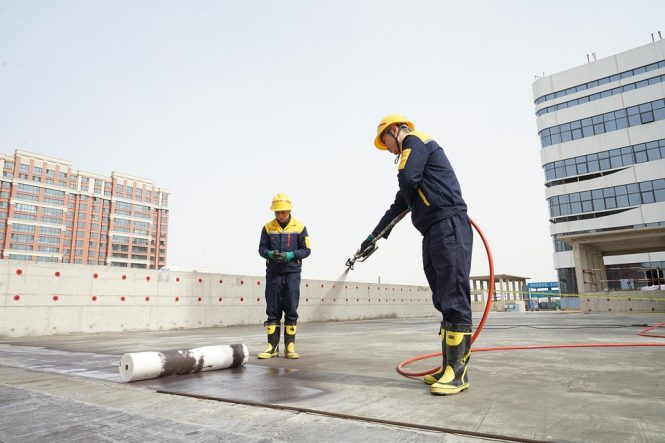
Basement Waterproofing 101: A Beginner’s Guide to Repair and Maintenance
Are you tired of dealing with a damp, musty basement? Do you want to protect your home from water damage and ensure a safe and healthy living space? Look no further! Basement waterproofing is a crucial step in maintaining the integrity of your home’s foundation and preventing costly repairs. In this article, we’ll provide a comprehensive beginner’s guide to basement waterproofing, covering the basics of repair and maintenance.
Why is Basement Waterproofing Important?
Water damage is a common issue in basements, and it can lead to a range of problems, including:
- Structural damage to the foundation and walls
- Mold and mildew growth, which can exacerbate respiratory issues and allergies
- Pest infestations, such as rodents and insects
- Electrical and plumbing system damage
- Decreased property value
By waterproofing your basement, you can prevent these issues and ensure a dry, comfortable, and safe living space.
Common Causes of Basement Water Damage
Before we dive into the repair and maintenance process, it’s essential to understand the common causes of basement water damage. These include:
- Poor drainage: Clogged gutters, downspouts, and grading issues can cause water to accumulate around the foundation, leading to seepage and leaks.
- Cracks and gaps: Foundation cracks, wall cracks, and gaps around windows and doors can allow water to enter the basement.
- High water table: If the water table is high, it can cause hydrostatic pressure, which can push water into the basement.
- Poor construction: Inadequate foundation design, poor materials, and shoddy workmanship can all contribute to water damage.
Basement Waterproofing Methods
There are several basement waterproofing methods to choose from, depending on the severity of the issue and the type of foundation. Some common methods include:
- Exterior waterproofing: This involves excavating the soil around the foundation and applying a waterproof coating to the exterior walls.
- Interior waterproofing: This involves installing a drainage system, such as a French drain, and applying a waterproof coating to the interior walls.
- Crawl space encapsulation: This involves sealing the crawl space with a waterproof membrane to prevent moisture from entering.
- Grading and drainage: This involves ensuring the yard slopes away from the foundation and installing a functional drainage system.
Repair and Maintenance Tips
Now that we’ve covered the basics, here are some repair and maintenance tips to keep your basement dry and secure:
- Inspect the foundation: Regularly inspect the foundation for cracks, gaps, and signs of water damage.
- Clean gutters and downspouts: Keep gutters and downspouts clean and clear to ensure proper drainage.
- Check grading: Ensure the yard slopes away from the foundation to prevent water accumulation.
- Install a sump pump: A sump pump can help remove water that accumulates in the basement.
- Use a dehumidifier: A dehumidifier can help reduce moisture levels in the basement.
- Seal cracks and gaps: Seal any cracks or gaps in the foundation, walls, and around windows and doors.
- Monitor for signs of water damage: Regularly check for signs of water damage, such as water stains, mineral deposits, and musty odors.
DIY vs. Professional Help
While some basement waterproofing repairs can be done DIY, it’s essential to know when to call in a professional. If you’re dealing with a severe water damage issue or unsure about the best course of action, it’s best to consult a professional waterproofing contractor. They can assess the situation and provide a customized solution to ensure your basement remains dry and secure.
Conclusion
Basement waterproofing is a crucial step in maintaining the integrity of your home’s foundation and preventing costly repairs. By understanding the common causes of basement water damage, choosing the right waterproofing method, and following repair and maintenance tips, you can ensure a dry, comfortable, and safe living space. Remember, prevention is key, and regular inspections and maintenance can help prevent water damage and ensure your basement remains secure for years to come.