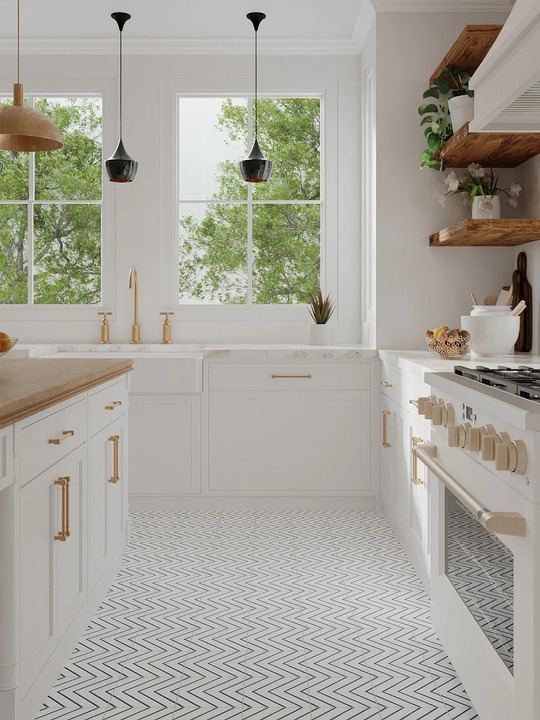
Building an Addition on a Budget: Where to Splurge and Where to Save
Adding an extension to your home can be a costly endeavor, but it doesn’t have to break the bank. With careful planning and smart decision-making, you can create a beautiful and functional space that meets your needs without blowing your budget. The key is to know where to splurge and where to save.
Start with a Clear Plan
Before you begin construction, take the time to define your goals and priorities. What is the purpose of the addition? How will you use the space? What features are must-haves, and which ones can you live without? Having a clear understanding of your needs and wants will help you make informed decisions about where to allocate your resources.
Where to Save
- Materials: While it’s tempting to choose the most expensive materials, there are often more affordable alternatives that can achieve a similar look and feel. Consider using:
- Engineered wood instead of solid hardwood for flooring and trim.
- Vinyl or composite siding instead of brick or stone.
- Ceramic tile instead of natural stone for countertops and flooring.
- Labor: Consider hiring a general contractor who can oversee the project and hire subcontractors as needed. This can be more cost-effective than hiring separate contractors for each aspect of the project.
- Design: Keep the design simple and functional. Avoid complex architectural features or custom designs that can drive up costs.
- Fixtures and Appliances: Shop around for affordable options, and consider purchasing last year’s models or slightly used items.
Where to Splurge
- Structural Integrity: Don’t compromise on the structural elements of your addition, such as the foundation, walls, and roof. These are critical to the safety and durability of your home.
- Insulation and Energy Efficiency: Invest in high-quality insulation and energy-efficient features, such as double-paned windows and a high-efficiency HVAC system. These will save you money in the long run and make your home more comfortable.
- Plumbing and Electrical: Upgrading your plumbing and electrical systems can be expensive, but it’s essential to ensure that your addition is safe and functional.
- Finishing Touches: If there’s one area where you want to splurge, it’s on the finishing touches. A beautiful floor, stylish lighting fixtures, and high-quality trim work can make a big impact on the overall look and feel of your addition.
Tips for Staying on Budget
- Set a Realistic Budget: Based on your research and planning, set a realistic budget for your project. Be sure to include a contingency fund for unexpected expenses.
- Prioritize: Make a list of your must-haves and nice-to-haves, and prioritize accordingly.
- Shop Around: Compare prices and services from different contractors, suppliers, and manufacturers to find the best deals.
- Consider Phasing: If you can’t afford to do the entire project at once, consider phasing it. Complete the essential elements first, and then add the finishing touches later.
Conclusion
Building an addition on a budget requires careful planning, smart decision-making, and a willingness to make compromises. By knowing where to splurge and where to save, you can create a beautiful and functional space that meets your needs without breaking the bank. Remember to stay focused on your priorities, shop around for the best deals, and consider phasing your project if necessary. With patience and persistence, you can achieve your goals and enjoy your new addition for years to come.