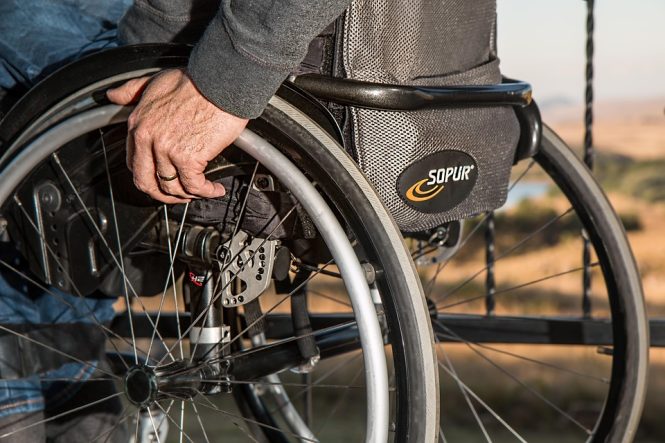
Bathroom Accessibility: How to Create a Safe and Wheelchair-Friendly Space
For individuals with mobility impairments, navigating a bathroom can be a daunting and potentially hazardous experience. Traditional bathroom designs often pose significant barriers, making it difficult or impossible for people with disabilities to use the space safely and independently. However, with a few simple modifications and thoughtful design considerations, it’s possible to create a bathroom that is both safe and wheelchair-friendly.
Why Bathroom Accessibility Matters
According to the Centers for Disease Control and Prevention (CDC), more than 40 million adults in the United States have a disability that affects their daily activities. For individuals with mobility impairments, bathroom accessibility is not just a matter of convenience – it’s a matter of dignity and independence. A wheelchair-accessible bathroom can make a significant difference in a person’s quality of life, enabling them to perform daily tasks with ease and confidence.
Key Principles of Bathroom Accessibility
Creating a wheelchair-friendly bathroom requires attention to several key principles:
- Clear Floor Space: Provide a clear floor space of at least 5 feet in diameter to allow for easy maneuverability.
- Wide Doorways: Ensure doorways are at least 32 inches wide to accommodate wheelchairs and walkers.
- Accessible Fixtures: Install grab bars, lowered sinks, and toilets with adequate clearance to facilitate safe and easy use.
- Non-Slip Surfaces: Use non-slip flooring and mats to prevent slips and falls.
- Adequate Lighting: Provide sufficient lighting to illuminate the space and reduce glare.
Designing a Wheelchair-Accessible Bathroom
To create a wheelchair-accessible bathroom, consider the following design elements:
- Roll-In Showers: Install a roll-in shower with a seat and grab bars to provide a safe and accessible bathing experience.
- Walk-In Tubs: Consider a walk-in tub with a seat and grab bars for individuals who prefer a tub over a shower.
- Toilet Height: Install a toilet with a height of 17-19 inches to facilitate easy transfer and use.
- Sink Height: Lower the sink to a height of 28-30 inches to enable easy access.
- Storage: Provide accessible storage for toiletries and towels to reduce clutter and improve safety.
Additional Considerations
- Emergency Alarms: Install emergency alarms, such as pull cords or buttons, to enable individuals to call for help in case of an emergency.
- Transfer Benches: Provide transfer benches or seats to facilitate safe transfers from a wheelchair to the toilet or shower.
- Color Contrast: Use color contrast to differentiate between different areas of the bathroom, such as the floor and walls, to improve visibility.
- Technology Integration: Consider integrating technology, such as voice-activated controls or smart home devices, to enhance accessibility and convenience.
Creating a Safe and Wheelchair-Friendly Bathroom: A Step-by-Step Guide
- Assess Your Space: Evaluate your bathroom’s current layout and identify areas for improvement.
- Consult with a Professional: Consult with an accessibility expert or contractor to determine the best modifications for your space.
- Prioritize Modifications: Prioritize modifications based on individual needs and budget constraints.
- Implement Modifications: Implement modifications, such as installing grab bars, widening doorways, and lowering sinks.
- Test and Refine: Test the space and refine modifications as needed to ensure optimal accessibility and safety.
Conclusion
Creating a wheelchair-accessible bathroom requires careful consideration of design principles, accessibility features, and individual needs. By incorporating key elements, such as clear floor space, wide doorways, and accessible fixtures, it’s possible to create a safe and wheelchair-friendly space that promotes independence and dignity. Whether you’re building a new bathroom or modifying an existing one, prioritizing accessibility can make a significant difference in the lives of individuals with mobility impairments.