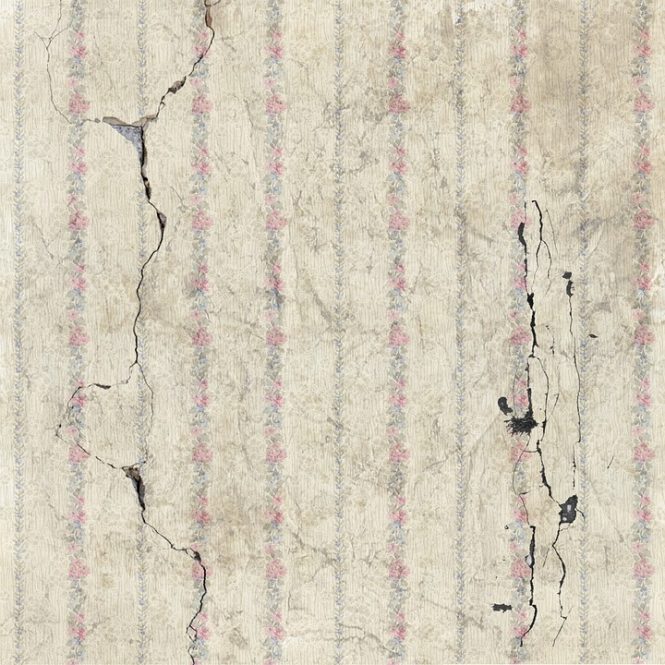
Cracked and Bothered: How to Fix Drywall Cracks for Good
Drywall cracks can be a frustrating and unsightly problem for homeowners. Not only do they detract from the appearance of your walls, but they can also be a sign of more serious underlying issues with your home’s foundation or structure. If you’re tired of living with cracked and damaged drywall, don’t worry – with the right techniques and materials, you can fix those cracks for good.
Why Do Drywall Cracks Happen?
Before we dive into the fix, it’s helpful to understand why drywall cracks occur in the first place. There are several common causes of drywall cracks, including:
- Settling foundations: As your home settles over time, the foundation can shift and cause cracks in the drywall.
- Temperature and humidity changes: Extreme temperature and humidity fluctuations can cause the drywall to expand and contract, leading to cracks.
- Poor installation: If the drywall was not installed properly, it can be more prone to cracking.
- Water damage: Leaks or water damage can cause the drywall to become weakened and crack.
Assessing the Damage
Before you start repairing the crack, it’s essential to assess the damage and determine the best course of action. Take a closer look at the crack and ask yourself:
- Is the crack small and superficial, or is it deeper and more extensive?
- Is the crack located near a joint or seam, or is it in the middle of a panel?
- Are there any signs of water damage or staining around the crack?
Fixing Small Cracks
For small, superficial cracks, you can often use a simple repair technique. Here’s a step-by-step guide:
- Clean the area: Use a vacuum cleaner or damp cloth to remove any debris or dust from the crack.
- Apply joint compound: Use a putty knife to apply a small amount of joint compound to the crack. Fill the crack completely, but don’t overfill it.
- Smooth out the area: Use a putty knife or sanding block to smooth out the area, feathering the compound out towards the edges.
- Paint over: Once the compound is dry, paint over the area to match the surrounding wall.
Fixing Larger Cracks
For larger, more extensive cracks, you may need to use a more involved repair technique. Here’s a step-by-step guide:
- Clean the area: Use a vacuum cleaner or damp cloth to remove any debris or dust from the crack.
- Apply mesh tape: Use a piece of mesh tape to cover the crack, pressing it firmly into place.
- Apply joint compound: Use a putty knife to apply a layer of joint compound over the tape, spreading it smoothly and evenly.
- Allow to dry: Let the compound dry completely, according to the manufacturer’s instructions.
- Sand and paint: Once the compound is dry, use a sanding block to smooth out the area, and then paint over it to match the surrounding wall.
Preventing Future Cracks
To prevent future drywall cracks, it’s essential to address any underlying issues with your home’s foundation or structure. Here are a few tips:
- Regularly inspect your home: Keep an eye out for signs of foundation problems, such as cracks in the walls or floors.
- Maintain a consistent temperature and humidity level: Avoid extreme temperature and humidity fluctuations, which can cause the drywall to expand and contract.
- Use a dehumidifier: If you live in a humid climate, consider using a dehumidifier to keep the air dry and prevent moisture from accumulating in the walls.
Conclusion
Fixing drywall cracks can seem like a daunting task, but with the right techniques and materials, you can repair those cracks for good. By understanding the causes of drywall cracks and taking steps to prevent them, you can keep your walls looking their best and avoid costly repairs down the line. Whether you’re a DIY novice or a seasoned pro, with a little patience and practice, you can fix those cracks and enjoy a smooth, flawless finish.